* Continents and Islands Constantly Change: Continents split apart, mountains rise, and sea levels fluctuate. What is an archipelago today might have been a single landmass in the past, and vice versa.
* Early Earth's Evidence is Limited: We don't have a perfect record of the earliest landforms on Earth. Erosion, geological processes, and the passage of time have destroyed much of the evidence.
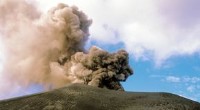
However, we can say that archipelagos are incredibly ancient features of the Earth. Volcanic activity, tectonic plate movements, and the breaking apart of continents have been creating archipelagos for billions of years.
Some of the oldest known geological formations that might have been early archipelagos include:
* The Barberton Greenstone Belt in South Africa: This area, dating back around 3.6 billion years, has evidence of volcanic activity, which could have formed islands.
* The Pilbara Craton in Australia: This area, also dating back around 3.6 billion years, shows evidence of ancient volcanic rocks and sediment layers, suggesting the possibility of early islands.
It's important to remember that these are just examples of very ancient formations that *could* have been early archipelagos. Determining the exact "first" is a question that likely can't be definitively answered.