Weathering: This is the breakdown of rocks, soil, and minerals through direct contact with the Earth's atmosphere, biota, and hydrosphere. It can be physical, chemical, or biological:
* Physical weathering: This involves the mechanical breakdown of rocks into smaller pieces.
* Chemical weathering: This involves the chemical alteration of rocks, leading to changes in their mineral composition.
* Biological weathering: This involves the breakdown of rocks by living organisms, such as plants, animals, and bacteria.
Erosion: This is the process of transporting weathered material from one location to another by wind, water, ice, or gravity:
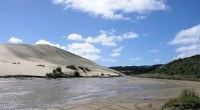
* Wind erosion: Wind picks up loose sediment and carries it away, often depositing it in dunes or other areas.
* Water erosion: Rivers, streams, and ocean currents can erode rock and soil, carrying sediment downstream.
* Ice erosion: Glaciers can grind and carve out valleys, transporting sediment and leaving behind moraines.
* Gravity erosion: Gravity can cause landslides, rockfalls, and other mass movements, which transport sediment downhill.
Other processes:
* Volcanic eruptions: Volcanic eruptions produce ash, pumice, and other volcanic debris, which can be deposited as sediment.
* Biological processes: Organisms such as coral reefs, shellfish, and diatoms can produce their own skeletal material, which can eventually form sediment.
Note: The specific type of sediment created depends on the source rock, the weathering and erosion processes involved, and the environment in which the sediment is deposited.
For example, a sandstone is formed from sand-sized grains that were eroded from granite and transported by wind or water. A limestone is formed from the accumulation of shells, corals, and other marine organisms.