1. Subduction Zone:
* Leyte sits on the Philippine Mobile Belt, a region where the Philippine Sea Plate is subducting (sinking) beneath the Eurasian Plate.
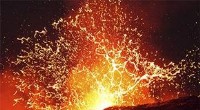
* This subduction process generates magma, which rises towards the surface, leading to volcanic activity.
2. Magma Composition:
* The magma produced in subduction zones is typically andesitic, characterized by an intermediate silica content. This magma is responsible for the formation of andesite, a volcanic rock found in Leyte.
* Basalt, a darker, denser volcanic rock, is also found in Leyte, suggesting that some magma has a higher content of mafic minerals (rich in magnesium and iron).
3. Volcanic Activity:
* Leyte's volcanic history is evident in its numerous volcanic landforms, including the Canlaon Volcano, a stratovolcano that is still active.
* The eruptions of these volcanoes contribute to the widespread presence of andesite and basalt.
4. Erosion and Sedimentation:
* Over time, weathering and erosion have broken down these volcanic rocks, creating sediment that has been deposited across Leyte.
* This sediment is also a contributing factor to the abundance of andesite and basalt in the region.
In summary: The abundance of andesite and basalt in Leyte is a testament to its active geological history, shaped by subduction, volcanic activity, and the subsequent processes of erosion and sedimentation.