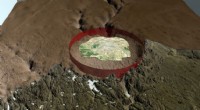
* Glaciation: The region was heavily glaciated during the last Ice Age. As massive glaciers moved across the land, they scraped away topsoil and deposited a mix of rocks, gravel, and boulders. This process, called glacial till, is the primary reason for the rocky nature of New England soils.
* Bedrock: New England is made up of relatively hard bedrock, mostly granite and gneiss. This bedrock breaks down slowly, resulting in a shallower topsoil layer compared to areas with softer bedrock.
* Climate: New England's climate is characterized by cold winters and warm summers. These temperature fluctuations cause rocks to break down more quickly, further contributing to the presence of rocks in the soil.
* Topography: New England's hilly and mountainous terrain further enhances the presence of rocks in the soil. The steeper slopes are more susceptible to erosion, exposing the underlying bedrock and rocky material.
The impact of rocky soil:
The rocky nature of New England soil poses challenges for agriculture. It makes it difficult for roots to penetrate and access nutrients, and it can lead to poor drainage. However, it also has some benefits:
* Good drainage: Rocky soils tend to drain well, which can be beneficial for certain crops.
* Natural beauty: The rocky landscape contributes to the region's scenic beauty.
Overall, the rocky nature of New England soil is a result of its unique geological history and climate. While it presents challenges for agriculture, it also contributes to the region's distinctive landscape and character.