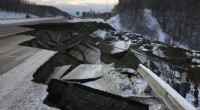
Sinkholes can form in a variety of ways, but the most common cause is the dissolution of soluble bedrock, such as limestone, gypsum, or rock salt. When groundwater dissolves these rocks, it can create cavities underground. If the roof of these cavities collapses, it can lead to the formation of a sinkhole.
Sinkholes can also form due to other factors like:
* Heavy rainfall: Rainwater can saturate the soil and make it more susceptible to collapse.
* Human activity: Construction, mining, and other activities can disturb the ground and increase the risk of sinkhole formation.
* Erosion: Water and wind can erode the soil and rock around a sinkhole, making it larger and more dangerous.
Sinkholes can range in size from a few feet to hundreds of feet wide and can be very dangerous, especially if they open up suddenly.