So, bedrock doesn't "form" anything in the traditional sense. Instead, it's the starting point for the formation of other things. Here's what can happen:
1. Weathering and Erosion: Bedrock is broken down by the forces of nature:
* Physical weathering: Frost wedging, abrasion, and thermal expansion can crack and fragment the bedrock.
* Chemical weathering: Rainwater, acidic groundwater, and oxygen can dissolve and decompose the bedrock, creating new minerals.
2. Soil Formation: The weathered fragments of bedrock mix with organic matter (decaying plants and animals) and other minerals to create soil.
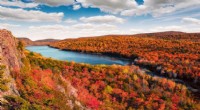
3. Landforms: Weathering and erosion of bedrock can shape landscapes over millions of years, forming mountains, valleys, canyons, and other features.
4. Sedimentary Rocks: The fragments of bedrock, along with other materials, are transported by wind, water, or ice. These sediments can then accumulate and solidify into sedimentary rocks.
5. Other Minerals: Weathering and erosion can also release minerals from the bedrock, which can then be concentrated to form ore deposits.
In short, bedrock doesn't "form" anything directly, but its breakdown and alteration are essential for the creation of many other geological features.