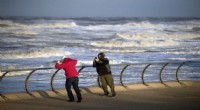
* Wave Action: The force of the waves crashing against the rocks creates a pressure that forces water into any cracks or holes.
* Pressure: The trapped water inside the crack is compressed by the wave's force.
* Erosion: As the wave retreats, the pressure is released. This rapid change in pressure, along with the abrasive action of sand and pebbles carried in the water, weakens the rock and causes it to break down.
* Over Time: This process repeats with each wave, gradually widening the cracks and holes, eventually breaking the rock into smaller pieces.
Other factors that contribute to the breakdown of rocks along the shoreline:
* Hydraulic Action: The sheer force of the water itself can wear away at the rock.
* Salt Crystallization: As seawater evaporates in cracks, salt crystals form and grow, putting pressure on the rock and causing it to weaken and break.
* Biological Activity: Organisms like barnacles and algae can contribute to erosion by burrowing into the rock and weakening its structure.
The overall result of these processes is the gradual erosion and reshaping of the coastline, creating the distinctive features we see, like sea cliffs, arches, and stacks.