The Basics:
* Convergent Plate Boundaries: These are areas where two tectonic plates move towards each other.
* Denser Plate: One of the plates is denser than the other. This denser plate is usually made up of oceanic crust.
* Subduction Zone: The denser plate bends and slides beneath the less dense plate, sinking into the Earth's mantle.
The Process:
1. Collision: The denser oceanic plate collides with the less dense continental plate or another oceanic plate.
2. Bending & Descent: The denser plate begins to bend and sink beneath the other plate. This creates a subduction zone, which is a long, narrow region where the two plates meet.
3. Melting: As the subducting plate descends, it experiences increasing pressure and temperature. Eventually, the rocks in the plate start to melt, creating magma.
4. Volcanoes & Earthquakes: The magma rises to the surface, often erupting as volcanoes along the edge of the continental plate. The process of subduction also causes earthquakes as the plates grind against each other.
Key Features of Subduction Zones:
* Trench: A deep, narrow depression in the ocean floor that marks the point where the subducting plate bends.
* Volcanic Arc: A chain of volcanoes that forms on the overriding plate, often parallel to the trench.
* Benioff Zone: A zone of earthquakes that extends from the trench down into the mantle, marking the path of the subducting plate.
Significance of Subduction:
Subduction is a fundamental process in plate tectonics and responsible for:
* Mountain Formation: The collision and uplift associated with subduction zones create mountain ranges.
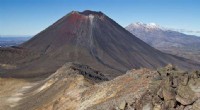
* Volcanic Activity: Subduction-related volcanism shapes the landscape and can cause major volcanic eruptions.
* Earthquake Activity: Subduction zones are the source of some of the most powerful earthquakes on Earth.
* Ocean Floor Formation: The process of subduction helps recycle the Earth's crust, creating new oceanic lithosphere.
Examples of Subduction Zones:
* The Andes Mountains: Formed by the subduction of the Nazca Plate beneath the South American Plate.
* The Cascade Range: A chain of volcanoes in the western United States, formed by the subduction of the Juan de Fuca Plate beneath the North American Plate.
* The Japan Islands: Formed by the subduction of the Pacific Plate beneath the Eurasian Plate.
Understanding subduction is crucial for understanding the geological processes that shape our planet. It's also important for predicting natural disasters like earthquakes and volcanic eruptions.