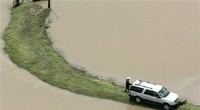
* Steep slopes: Hills, mountains, cliffs, or even just very uneven ground.
* Obstacles: Rocks, boulders, trees, dense vegetation, ravines, or other natural features that make movement challenging.
* Lack of pathways: No roads, trails, or other clear paths to follow.
* Varying surface: Rough, uneven, or unstable ground like sand, gravel, mud, or loose rock.
Examples of rugged terrain:
* Mountains: High peaks, steep valleys, and rocky slopes.
* Deserts: Sandy, rocky, and windswept areas.
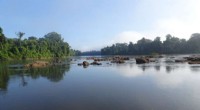
* Forests: Densely wooded areas with uneven ground, fallen trees, and thick vegetation.
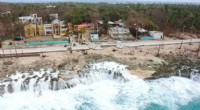
* Coastal areas: Rocky shores, cliffs, and beaches with shifting sands.
Consequences of rugged terrain:
* Difficult to travel: Walking, driving, or even flying can be challenging and dangerous.
* Limited access: It's hard to reach certain areas, making it difficult to explore, build, or access resources.
* Potential dangers: Increased risk of falls, injuries, and accidents.
In summary, rugged terrain is any land that presents challenges and obstacles to movement and activity. It often demands special skills, equipment, and caution to navigate safely.