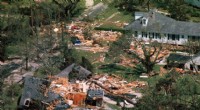
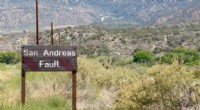
* Earthquakes are the primary cause of ground shaking: Earthquakes occur when tectonic plates, massive slabs of Earth's crust, shift and collide. This sudden release of energy sends seismic waves through the Earth's crust, causing the ground to tremble or shake.
* Rocks move during earthquakes: It's true that the movement of rocks along fault lines is what *causes* the earthquake. But the shaking is a consequence of the energy released, not the movement itself.
* Other types of ground movement: While not as dramatic as earthquakes, other movements within the Earth, such as volcanic eruptions, landslides, and even mining activities can cause ground shaking. However, these are generally localized and less powerful than earthquakes.
Think of it like this:
* Imagine a giant puzzle where the pieces are the tectonic plates. When these pieces move, they cause the entire puzzle to shake.
* The rocks within the puzzle (Earth's crust) are shifting, but it's the *sudden change* in their positions that creates the shaking, not the simple movement of the individual rocks.
In conclusion, the movement of rocks within the Earth *can* cause ground shaking, but only as a consequence of larger geological events like earthquakes, volcanic eruptions, or landslides.