Here's how it works:
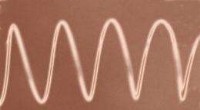
* Seismic waves travel through the Earth: Earthquakes and other seismic events generate waves that travel through the Earth's layers.
* Different wave types: There are different types of seismic waves, including P-waves (primary waves) and S-waves (secondary waves).
* Wave behavior changes: These waves change speed and direction as they pass through different materials, like the oceanic crust, the mantle, or the core.
* Analyzing wave changes: By analyzing the changes in the seismic waves, scientists can infer the thickness, density, and composition of the Earth's layers, including oceanic plates.
So, while seismic waves are not a direct measurement of oceanic plates, they are a powerful tool for studying their properties and understanding how they interact with the Earth's interior.