1. Folding and Faulting:
* Folding: When two tectonic plates collide, the pressure can cause the rock layers to bend and buckle, forming folds. These folds can create hills and even mountains.
* Faulting: When the plates move past each other, they can create fractures in the Earth's crust called faults. If the rocks on one side of the fault move upward, it can create a hill or escarpment.
2. Volcanic Activity:
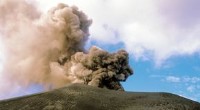
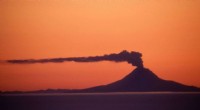
* Volcanoes: When magma rises to the surface, it can erupt and create volcanoes. Volcanoes can form hills, mountains, and even plateaus.
* Lava Flows: Lava flows from volcanic eruptions can cool and harden, forming hills and plateaus.
3. Uplift and Erosion:
* Uplift: Plate tectonics can cause the Earth's crust to rise up, creating hills and mountains. This can happen due to the collision of two plates or the movement of magma beneath the surface.
* Erosion: Once hills are created, they can be shaped and sculpted by erosion. Wind, water, and ice can wear away the rocks, creating different shapes and sizes of hills.
Examples:
* The Appalachian Mountains: Formed by the collision of the North American and African plates, resulting in folding and faulting.
* The Himalayas: Formed by the collision of the Indian and Eurasian plates, resulting in extreme folding and uplift.
* The Cascade Range: Formed by volcanic activity along the Pacific Northwest coast of the United States.
It's important to note that hills can also be formed by other processes, such as glacial activity, wind erosion, and deposition of sediment. However, plate tectonics play a major role in shaping the Earth's surface and creating the hills we see today.