Here's a breakdown:
* Sedimentary rocks are formed by the accumulation and cementation of sediments. These sediments can be:
* Clastic sediments: Fragments of other rocks (like sand, gravel, or clay)
* Chemical sediments: Minerals precipitated from water solutions (like limestone or rock salt)
* Organic sediments: Remains of organisms (like coal or oil shale)
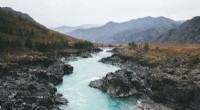
* Bodies of water provide the perfect environment for sediment deposition. Rivers carry sediment from land, oceans receive sediment from rivers and the ocean floor, and lakes accumulate sediment from surrounding areas.
* Over time, the layers of sediment accumulate and are compacted by the weight of overlying layers. Dissolved minerals in the water can then cement the sediments together, forming a solid rock.
Examples of sedimentary rocks formed in bodies of water include:
* Sandstone: Formed from sand grains cemented together.
* Limestone: Formed from the accumulation of calcium carbonate shells and skeletons of marine organisms.
* Shale: Formed from compacted clay and silt.
* Conglomerate: Formed from cemented gravel and pebbles.
* Coal: Formed from the accumulation of plant matter in swamps.
Let me know if you'd like more details about any of these specific rock types!