1. Earthquakes:
* Subduction Zones: The Pacific Plate is being subducted beneath surrounding plates, creating deep trenches and generating massive earthquakes. This is particularly evident along the west coast of North and South America, the Aleutian Islands, Japan, and Indonesia.
* Transform Faults: These faults occur where plates slide past each other horizontally, generating significant earthquakes. The San Andreas Fault in California is a prime example.
2. Volcanic Eruptions:
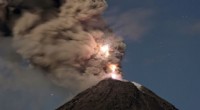
* Volcanic Arcs: The subduction process melts the mantle, producing magma that rises to the surface, forming volcanic arcs along the edges of the Pacific Plate. This is evident in the Andes Mountains, the Cascade Range, and the Aleutian Islands.
* Hotspots: Plumes of unusually hot mantle rock can rise through the Pacific Plate, creating volcanic chains like the Hawaiian Islands and the Emperor Seamounts.
3. Tsunamis:
* Underwater Earthquakes: Large earthquakes on the ocean floor can displace vast amounts of water, generating tsunamis that travel across the Pacific Ocean.
* Volcanic Eruptions: Underwater volcanic eruptions can also trigger tsunamis.
4. Landslides:
* Seismic Activity: Earthquakes can trigger massive landslides, especially in mountainous areas along the plate's boundaries.
* Volcanic Activity: Volcanic eruptions can also cause landslides, as the slopes become unstable due to the movement of magma and ash.
5. Coastal Erosion:
* Tectonic Activity: The movement of the Pacific Plate can lead to changes in the coastline, such as uplift and subsidence.
* Sea Level Rise: Global warming is causing sea levels to rise, which exacerbates coastal erosion.
Specific Examples:
* Chile: The country experiences frequent earthquakes, including the 1960 Valdivia earthquake, the largest earthquake ever recorded.
* Japan: Japan is located on the Pacific Ring of Fire and experiences both earthquakes and volcanic eruptions, as seen in the 2011 Tohoku earthquake and tsunami.
* Hawaii: The Hawaiian Islands are formed by a hotspot and are known for their active volcanoes, such as Kilauea.
* Indonesia: Indonesia is home to numerous active volcanoes, including Mount Merapi and Mount Krakatoa, and experiences frequent earthquakes and tsunamis.
It's important to note that the specific hazards and their frequency vary significantly across the Pacific Plate. However, the overall risk of geological hazards is high due to the active tectonics and volcanic activity in the region.