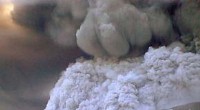
* Igneous rocks: These are formed from the cooling and solidification of magma (molten rock) or lava.
* Volcanic Mountains: Many mountain ranges, like the Andes, are formed by volcanic activity. The magma rises from the Earth's mantle, erupts as lava, and builds up over time to create the mountain.
* Batholiths: These are massive, underground bodies of igneous rock that can be exposed through erosion, forming the core of mountain ranges.
* Metamorphic rocks: These are formed when existing rocks (igneous, sedimentary, or even other metamorphic rocks) are transformed by heat, pressure, and/or chemical reactions.
* Folding and Faulting: The immense pressure involved in mountain building often causes existing rocks to fold, fracture, and metamorphose.
While sedimentary rocks can contribute to the formation of some mountains, they are not the primary component of the greatest mountain ranges.
Here's a breakdown:
* Folded Mountains: Formed by the compression of sedimentary rocks, leading to folding and uplift. Examples: the Appalachian Mountains, the Jura Mountains.
* Fault-Block Mountains: Occur when blocks of the Earth's crust are uplifted and tilted along faults. Examples: the Sierra Nevada Mountains, the Basin and Range Province.
Important Note: It's essential to remember that mountain formation is a complex process involving multiple geological forces. Most mountain ranges are a combination of igneous, metamorphic, and sedimentary rocks, with varying proportions depending on the specific range and its formation history.