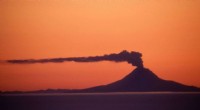
* Igneous rocks form from the cooling and solidification of magma or lava. This process "resets the clock" for uranium decay, meaning the initial amount of uranium present is known.
* Uranium isotopes are commonly found in igneous rocks. These rocks often contain minerals like zircon, which readily incorporate uranium.
* Uranium decay is relatively long-lived. Uranium isotopes like uranium-238 have half-lives in the billions of years, making them suitable for dating very old rocks.
Why other rock types are less ideal:
* Sedimentary rocks: These rocks are formed from the accumulation and cementation of sediments, which are derived from existing rocks. The uranium content and decay history can be complex and difficult to interpret.
* Metamorphic rocks: These rocks form from the transformation of existing rocks under heat and pressure. This process can alter the uranium content and make it challenging to determine the original formation time.
Specific examples:
* Zircon: This mineral is very resistant to weathering and alteration, making it a valuable chronometer for dating igneous rocks.
* Basalt and granite: These common igneous rocks contain uranium and can be reliably dated using uranium-lead methods.
It's important to note:
* While uranium dating is most reliable for igneous rocks, it can sometimes be used on other rock types if careful considerations are made.
* The accuracy of radiometric dating depends on many factors, including the type of rock, the method used, and the quality of the analysis.