Natural Processes:
* Plate Tectonics: This is the driving force behind many geological processes, including:
* Volcanism: Eruptions create new land, release gases and ash, and reshape the landscape.
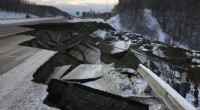
* Earthquakes: These seismic events can cause massive shifts in the Earth's surface, creating mountains, valleys, and ocean trenches.
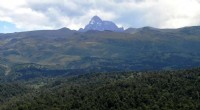
* Mountain Building (Orogenesis): The collision of tectonic plates can uplift mountains and create new landforms.
* Weathering: The breakdown of rocks, soil, and minerals through exposure to elements like rain, wind, ice, and temperature fluctuations.
* Erosion: The movement of weathered material by wind, water, ice, or gravity. This process shapes canyons, valleys, and riverbeds.
* Glaciation: The movement of large ice sheets can carve out valleys, create fjords, and deposit sediment.
* Sedimentation: The deposition of eroded material in new locations, building up landforms like deltas and beaches.
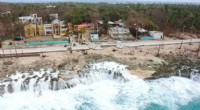
* Tsunamis: These large waves, often caused by earthquakes, can cause significant coastal erosion and inundation.
* Meteorite Impacts: Although infrequent, these events can create craters and alter the landscape significantly.
Human-Induced Changes:
* Deforestation: The removal of forests can lead to soil erosion, landslides, and changes in water cycles.
* Agriculture: Agricultural practices like tilling and irrigation can cause soil degradation and water depletion.
* Urbanization: The construction of cities and infrastructure can alter the natural landscape, disrupt ecosystems, and impact water flow.
* Mining: Extraction of minerals and resources can leave behind large open pits, cause soil erosion, and pollute water sources.
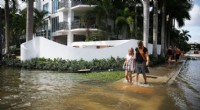
* Climate Change: Global warming leads to rising sea levels, more frequent and intense storms, and changes in precipitation patterns, all of which affect the Earth's surface.
It's important to remember that these processes are interconnected and often work in concert. For example, weathering and erosion can be accelerated by human activities like deforestation. The Earth's surface is a dynamic system, constantly evolving under the influence of these natural and human-induced forces.