Granitic magma is a type of felsic magma, meaning it is rich in feldspar and silica. This composition gives it several unique characteristics:
1. Composition:
* High Silica Content (SiO2): Granitic magma has a silica content of around 66% to 76%, making it very viscous. This high silica content leads to a slower cooling process.
* Rich in Feldspar: It contains significant amounts of sodium and potassium feldspar, which contribute to its light color.
* Other Minerals: It also includes smaller amounts of quartz, mica, and hornblende.
2. Properties:
* High Viscosity: Granitic magma is extremely viscous, meaning it flows very slowly. This is due to the complex structure of silica molecules.
* Low Density: Granitic magma is less dense than mafic magma, which allows it to rise through the Earth's crust.
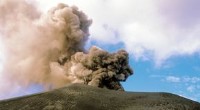
* Explosive Eruptions: The high viscosity and dissolved gases in granitic magma can lead to explosive volcanic eruptions, as the pressure builds up within the magma chamber.
3. Formation:
Granitic magma typically forms in the continental crust, where it is generated through various processes:
* Partial Melting: The melting of existing rocks, often due to the addition of heat from the Earth's mantle or the intrusion of mafic magma.
* Crustal Recycling: The recycling of older crustal materials through tectonic processes.
4. Significance:
* Mountain Building: Granitic magma plays a crucial role in the formation of mountains. Its slow cooling and crystallization lead to the formation of large, intrusive igneous bodies like batholiths and stocks.
* Mineral Resources: Granitic magmas are a significant source of valuable minerals like gold, silver, copper, and tin.
* Landscape Shaping: Granitic magma creates distinctive landscapes with rugged mountains, granite domes, and picturesque valleys.
In Summary:
Granitic magma is a key component of the Earth's continental crust. Its unique composition, properties, and formation processes contribute significantly to the formation of mountains, mineral resources, and distinctive landscapes.