Intrusive vs. Extrusive
* Intrusive Igneous Rocks: Form when magma cools and solidifies beneath the Earth's surface. This process happens slowly, giving crystals ample time to grow large. As a result, intrusive igneous rocks are typically characterized by large, visible crystals (phaneritic texture). Examples include granite, gabbro, and diorite.
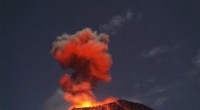
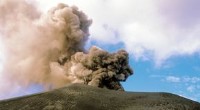
* Extrusive Igneous Rocks: Form when lava erupts onto the Earth's surface and cools quickly. The rapid cooling process doesn't allow enough time for large crystals to form. Instead, extrusive igneous rocks often have small, microscopic crystals (aphanitic texture) or are glassy (no crystals) due to very rapid cooling. Examples include basalt, rhyolite, and obsidian.
Cooling Rates and Crystal Size
* Slow Cooling: In a slowly cooling magma chamber, atoms have more time to move around and arrange themselves into an orderly crystalline structure. This results in large crystals.
* Fast Cooling: When lava erupts, it encounters a much cooler environment, causing rapid cooling. Atoms don't have much time to arrange themselves into large crystals, leading to small or even no crystals.
Exceptions and Additional Factors
* Porphyritic Texture: Some igneous rocks exhibit a mix of large and small crystals. This occurs when the magma starts cooling slowly, allowing large crystals to form, then experiences a sudden cooling event, leading to the formation of smaller crystals around the larger ones.
* Other Factors: While cooling rate is the primary driver of crystal size, other factors like the composition of the magma and the presence of gases can also influence crystal growth.
In summary, the size of crystals in igneous rocks is a powerful indicator of the rock's formation environment and the cooling rate of the magma or lava. This relationship is essential for understanding the geologic history of a particular rock and its associated volcanic or plutonic processes.