1. Identifying the Location of the Crime:
* Soil Analysis: Soil samples can be analyzed to determine their composition, mineral content, and even origin. This can link a suspect to a crime scene, establish a timeline of events, or help determine if a body has been moved.
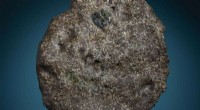
* Rock and Mineral Analysis: Similar to soil, rocks and minerals can be analyzed for unique characteristics that link them to a specific location.
* Sedimentation Patterns: Layers of sediment can reveal the order of events, like whether a body was buried before or after a flood, or if a footprint was made before or after a particular layer was deposited.
2. Establishing Time of Death:
* Fossil Pollen and Diatoms: Analyzing these microscopic organisms trapped in soil or on a body can help determine where the body was located and when it was deposited.
* Weathering and Erosion: By analyzing the weathering patterns on bones or artifacts, forensic geologists can estimate the time elapsed since the object was exposed to the elements.
3. Reconstructing the Crime Scene:
* Trace Evidence: Geological materials like sand, dust, or rock fragments can be transferred to a suspect or victim, providing valuable evidence.
* Footprints and Tire Tracks: These impressions can be analyzed to determine the type of footwear or vehicle involved, and can even provide clues about the direction of travel.
* Landslide and Erosion Patterns: These can help determine if a body was moved or if the crime scene was altered.
4. Identifying Weapons and Explosives:
* Mineral Composition: Analyzing the composition of weapons or explosives can help determine their source and manufacturing process.
5. Investigating Natural Disasters:
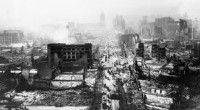
* Earthquake Faulting: Geologists can analyze fault lines and seismic activity to understand the impact of earthquakes on a crime scene.
* Landslide Analysis: Geologists can assess the risk of landslides and help develop strategies to prevent future events.
Examples of Real-World Applications:
* The "Bone Wars" case, where bones from ancient dinosaurs were stolen and sold, involved geological analysis to identify the origins of the fossils and track down the thieves.
* The Oklahoma City bombing investigation used geological evidence to determine the composition of the explosives and track down the source.
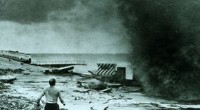
* Forensic geologists often assist in mass casualty events, like earthquakes or tsunamis, to identify victims and locate missing persons.
In conclusion, geology plays a vital role in forensics by providing crucial information that can link suspects to crime scenes, establish timelines, reconstruct events, and identify weapons. It is a powerful tool in the pursuit of justice.