Geologic events encompass the vast array of processes that shape our planet. They range from the slow and gradual to the sudden and catastrophic. Here are some examples categorized by their nature:
1. Plate Tectonics and Mountain Building:
* Volcanism: Eruptions of molten rock (magma) from the Earth's interior, creating volcanoes and shaping landscapes. Examples: Mount Vesuvius, Yellowstone Caldera.
* Earthquakes: Sudden shifts in the Earth's crust along fault lines, causing ground shaking and potential tsunamis. Examples: San Andreas Fault, Tohoku Earthquake.
* Mountain Formation: The collision of tectonic plates, pushing land masses upwards and creating mountain ranges. Examples: Himalayas, Andes Mountains.
* Continental Drift: The slow movement of Earth's continents over millions of years, driven by plate tectonics. This leads to the formation of supercontinents like Pangea and their subsequent breakup.
2. Erosion and Weathering:
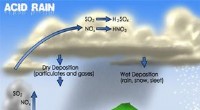
* Weathering: The breakdown of rocks and minerals through physical (e.g., frost wedging, abrasion) or chemical (e.g., oxidation, acid rain) processes.
* Erosion: The transportation of weathered material by wind, water, or ice, shaping landscapes and creating valleys, canyons, and deserts. Examples: Grand Canyon, the Sahara Desert.
3. Climate Change and Glaciation:
* Glaciation: Periods of extensive ice cover, eroding landscapes, forming glaciers and ice sheets. Examples: The Last Glacial Maximum, the Laurentide Ice Sheet.
* Climate Change: Long-term shifts in global temperature and weather patterns, influencing erosion, sea level, and ecosystems.
4. Mass Extinction Events:
* Asteroid Impacts: Catastrophic collisions with large asteroids, causing widespread devastation and extinction. Examples: Chicxulub impact, the event that led to the extinction of the dinosaurs.
* Volcanic Winter: Massive volcanic eruptions can release vast amounts of ash and sulfur dioxide, blocking sunlight and triggering a global cooling event.
5. Other Notable Events:
* Meteor Showers: Periodic occurrences of numerous meteors visible in the sky.
* Landslides: Rapid movements of rock, soil, or debris down a slope, triggered by factors like heavy rainfall or earthquakes.
* Floods: Overflows of water from rivers, lakes, or oceans, caused by heavy rainfall, dam failures, or storm surges.
Understanding these events helps us learn about Earth's history, predict future hazards, and appreciate the dynamic nature of our planet.