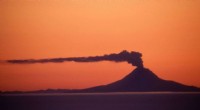
1. Mountains: Elevated areas of land that rise significantly above their surroundings. They are often formed by tectonic plate collisions and volcanic activity.
2. Plateaus: Flat, elevated areas of land that are often characterized by steep slopes. They are typically formed by volcanic activity, erosion, or tectonic uplift.
3. Plains: Large, flat areas of land that are generally located at low elevations. They are often formed by the deposition of sediments from rivers, glaciers, or wind.
4. Valleys: Low areas of land that are typically located between hills or mountains. They are often formed by erosion from rivers, glaciers, or wind.
5. Canyons: Deep, narrow valleys that are often formed by the erosion of rivers.
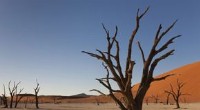
6. Deserts: Dry, barren areas of land that receive very little precipitation. They are often formed by the rain shadow effect, which occurs when mountains block moisture from reaching certain areas.
7. Oceans: Vast bodies of saltwater that cover the majority of Earth's surface. They are essential for life on Earth, as they regulate the climate and provide food and resources.
These are just some of the major landforms on Earth. There are many other landforms, such as hills, islands, and glaciers.