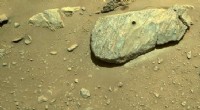
1. Weathering: This is the first step and involves the breakdown of rocks and other materials into smaller pieces. There are two main types:
* Physical weathering: This involves mechanical forces like freezing/thawing (ice expanding in cracks), abrasion (rocks rubbing against each other), and root growth (roots pushing through cracks).
* Chemical weathering: This involves chemical reactions that break down rocks, such as acid rain, oxidation (rust), and hydrolysis (water reacting with minerals).
2. Transportation: Once the material is broken down, it can be transported by different agents:
* Wind: Wind can pick up and carry dust, sand, and even larger particles, creating sand dunes and dust storms.
* Water: Moving water (rivers, streams, oceans) is a powerful erosive force. It carries sediment, shapes valleys, and erodes coastlines.
* Ice: Glaciers are huge masses of ice that carve valleys, transport boulders, and create U-shaped valleys.
3. Deposition: Eventually, the eroded material is deposited in a new location:
* Sand dunes: Wind deposits sand, creating dunes.
* River deltas: Rivers deposit sediment at their mouths, creating deltas.
* Glacial moraines: Glaciers deposit rocks and sediment, creating moraines.
Consequences of Erosion:
* Loss of fertile soil: Erosion can remove topsoil, making it difficult for plants to grow.
* Landslides and mudslides: Erosion can weaken slopes, leading to landslides.
* Sedimentation in waterways: Eroded sediment can clog rivers and lakes, impacting aquatic life.
* Coastal erosion: Erosion can cause coastlines to retreat, damaging beaches and coastal structures.
Mitigation of Erosion:
* Planting vegetation: Plants help hold soil in place with their roots.
* Building terraces: Terraces can slow water flow and reduce erosion on slopes.
* Creating windbreaks: Trees and other plants can act as barriers to wind erosion.
* Managing grazing: Overgrazing can lead to soil erosion, so responsible grazing practices are important.
Erosion is a natural process, but human activities can accelerate it. Understanding erosion helps us minimize its negative impacts and protect our environment.