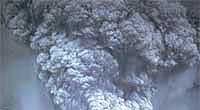
Volcanic Areas:
* Hawaii: The entire island chain is formed from volcanic igneous rocks, both basaltic (lava flows) and more felsic (volcanic ash and pumice).
* Yellowstone National Park: Home to geysers and hot springs, Yellowstone is a volcanic caldera with abundant rhyolite, obsidian, and other volcanic rocks.
* Cascades Volcanoes: Stretching from northern California to British Columbia, this range features numerous volcanoes like Mount Rainier, Mount St. Helens, and Mount Shasta, providing a wealth of volcanic rocks like basalt, andesite, and dacite.
* Mount Katahdin, Maine: The highest peak in Maine, Mount Katahdin is a granite peak formed from ancient volcanic activity.
* The Rio Grande Rift: This geologic feature extends from Colorado to Texas, with volcanic activity leaving behind numerous basalt flows and rhyolite formations.
Other Locations:
* Appalachian Mountains: Though not as young as the volcanic areas, the Appalachians have igneous rocks formed from ancient volcanic activity, including granite and gabbro.
* Sierra Nevada Mountains: Home to Yosemite National Park, the Sierra Nevada is a granite batholith, a massive body of igneous rock that formed deep underground and was exposed by erosion.
* Black Hills of South Dakota: This area has numerous granite intrusions, including the granite that forms Mount Rushmore.
* The Colorado Plateau: While mostly known for sedimentary rocks, the Colorado Plateau also has notable igneous intrusions, like the Shiprock in New Mexico, formed from volcanic necks.
Tips for Finding Igneous Rocks:
* Visit national parks and geological sites: These locations often have interpretive trails and information about the rocks found there.
* Check with local geological societies and universities: They often have experts who can guide you to good spots for finding igneous rocks in your area.
* Look for outcrops and exposures: These are places where the bedrock is visible.
* Examine road cuts and construction sites: These can provide good opportunities to see igneous rocks.
Remember, it's always a good idea to respect the environment and leave any rocks you find in their natural location unless you have permission to collect.