1. Earth's Structure: The Earth's outermost layer, called the lithosphere, is broken into large pieces called tectonic plates. These plates are constantly moving, driven by heat from the Earth's core.
2. Plate Interactions: There are three main types of interactions between tectonic plates:
* Convergent Boundaries: Plates collide. This is where mountains are formed!
* Divergent Boundaries: Plates move apart. This creates new ocean floor.
* Transform Boundaries: Plates slide past each other. This causes earthquakes.
3. Mountain Building (Convergent Boundaries):
* Continental-Continental Collision: When two continental plates collide, the land masses buckle and fold, pushing the ground upwards to form mountain ranges. The Himalayas, formed by the collision of the Indian and Eurasian plates, are a prime example.
* Oceanic-Continental Collision: When an oceanic plate collides with a continental plate, the denser oceanic plate is forced under the continental plate (subduction). This process creates volcanic arcs along the continental margin. The Andes Mountains in South America are an example of this.
4. Other Factors:
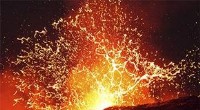
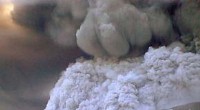
* Volcanism: Volcanoes can also contribute to mountain building, especially at convergent boundaries.
* Erosion: Over time, erosion by wind, water, and ice can wear down mountains.
In summary, mountains are primarily built by the collision of tectonic plates at convergent boundaries. The specific type of mountain range depends on the type of plates involved in the collision.