1. Deposition in Low-Lying Areas:
* Rivers: Rivers carry sediment downstream, depositing it in floodplains, deltas, and at the river's mouth.
* Lakes: Sediments settle to the bottom of lakes, forming layers over time.
* Oceans: The vast majority of eroded sediment ultimately ends up in the ocean, forming layers on the ocean floor.
2. Accumulation in Specific Locations:
* Beaches: Waves and currents deposit sand and smaller sediment on beaches.
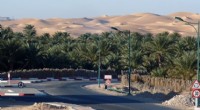
* Sand Dunes: Wind carries and deposits sand, creating sand dunes in desert regions.
* Glacial Deposits: Glaciers erode and transport massive amounts of sediment, depositing it in moraines, outwash plains, and other glacial landforms.
3. Transformation into Other Forms:
* Rock Formation: Over millions of years, sediment layers can be compacted and cemented together, forming sedimentary rocks.
* Soil: Weathering of rock and organic matter creates soil, which is a mixture of mineral particles and organic material.
4. Human Impact:
* Landfills: Human activities often involve the dumping of sediment in landfills.
* Construction Sites: Excavation for construction projects can release sediment, which may end up in nearby waterways or be transported elsewhere.
It's important to note:
* The journey of sediment is a complex process that involves various factors like the type of rock, climate, and the landscape.
* Human activities can significantly influence sediment transport and deposition.
* Understanding sediment movement is crucial for managing erosion, protecting water quality, and planning sustainable land use.