* Direction of ice flow: Striations are parallel scratches or grooves carved into bedrock by rocks embedded in the base of a glacier as it moves. The direction of these striations directly indicates the direction the glacier was moving.
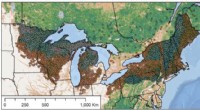
* Past glacial extent: The presence of striations in a specific area confirms that it was once covered by a glacier. By mapping the distribution of striations, geologists can reconstruct the extent of past glaciations.
* Glacial erosive power: The depth, length, and density of striations give clues about the erosive power of the glacier. Deeper and wider striations suggest a larger and more powerful glacier.
* Paleoclimate: Studying striations, along with other glacial features, helps geologists understand past climate conditions. The presence of striations indicates a cold climate with sufficient snowfall to form and sustain a glacier.
* Geologic history: Striations are a key feature used to understand the geologic history of an area. They provide evidence of past glaciations, which have significantly shaped the Earth's surface.
In summary, glacial striations are a valuable tool for geologists to decipher the past movements and forces of glaciers, providing insights into climate, erosion, and geological history.