Fossil Fuels:
* Coal: The Appalachian region is known as the "Coalfields" due to its vast reserves of coal, particularly in West Virginia, Kentucky, Pennsylvania, and Virginia. This has been a major industry, powering the region and the nation for centuries. However, environmental concerns surrounding coal mining have led to debates about its future.
* Natural Gas: The Marcellus Shale formation, stretching across parts of the Appalachians, has led to a boom in natural gas production. This has created economic opportunities but also raised concerns about environmental impacts.
Minerals:
* Stone: Limestone, sandstone, and granite are abundant in the Appalachians and are used in construction, road building, and manufacturing.
* Sand and Gravel: These materials are essential for construction and are readily available throughout the region.
* Iron Ore: Historically, iron ore played a significant role in the region's economy. While production has declined, there are still some active mines.
Timber:
* Hardwoods: The Appalachian region is home to diverse hardwood forests, including oak, maple, hickory, and cherry. These trees provide lumber for furniture, flooring, and other wood products.
Water Resources:
* Rivers and Streams: The Appalachian Mountains are the source of many major rivers, including the Ohio, Tennessee, and Susquehanna, providing water for drinking, irrigation, and hydropower.
* Groundwater: The region has abundant groundwater resources, used for drinking water, agriculture, and industry.
Other Resources:
* Agriculture: The Appalachian region supports a variety of agricultural products, including livestock, fruit, and vegetables.
* Tourism: The region's natural beauty, including mountains, forests, rivers, and waterfalls, attracts tourists who enjoy hiking, camping, fishing, and other outdoor activities.
Challenges and Considerations:
While the Appalachian region has a wealth of natural resources, several challenges and considerations exist:
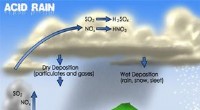
* Environmental Concerns: The extraction and use of fossil fuels have raised concerns about air and water pollution, deforestation, and habitat loss.
* Economic Diversification: The region's economy has historically relied heavily on extractive industries. Diversifying the economy into other sectors is essential for long-term sustainability.
* Population Decline: Some parts of the Appalachians have experienced population decline due to economic hardships and outmigration.
Overall, the Appalachian region's natural resources have shaped its history and continue to play a significant role in its economy and environment. Managing these resources sustainably is crucial for the future well-being of the region.