Physical Characteristics:
* Topography: Steep slopes, rocky terrain, and mountainous areas make it difficult to cultivate crops.
* Soil quality: Poor soil quality, such as sandy soils, clay soils, or soils with low nutrient content, can make farming challenging.
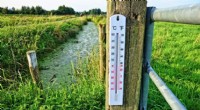
* Climate: Extreme temperatures, insufficient rainfall, and frequent droughts can make land unsuitable for agriculture.
* Water availability: Lack of access to sufficient water for irrigation makes it difficult to grow crops.
Other Factors:
* Pollution: Land contaminated with chemicals or pollutants can be unsafe for agriculture.
* Urbanization: Development of urban areas reduces the amount of land available for agriculture.
* Protected areas: National parks, wildlife refuges, and other protected areas are often excluded from agricultural use.
Examples of non-arable land:
* Forests
* Deserts
* Wetlands
* Mountains
* Urban areas
* Land with poor soil quality
Uses of non-arable land:
* Recreation: Parks, hiking trails, and other recreational activities.
* Conservation: Preserving biodiversity and natural habitats.
* Forestry: Harvesting timber and other forest products.
* Mining: Extracting minerals and other resources.
* Urban development: Building homes, businesses, and infrastructure.
It's important to note that the definition of non-arable land can be subjective and may vary depending on the context. For example, some land may be considered non-arable for traditional agriculture but suitable for specialized crops or alternative farming practices.