The Key Players:
* Natural forces: These are the driving forces behind erosion, like wind, water (rain, rivers, oceans), ice (glaciers), and gravity.
* Materials: These can be rocks, soil, sand, or even organic matter.
How it Happens:
* Weathering: This is the first step, where rocks and other materials are broken down into smaller pieces. Weathering can be caused by physical processes (like freezing/thawing or abrasion) or chemical processes (like acid rain).
* Transportation: Once broken down, the materials are picked up and moved by the forces of erosion.
* Deposition: The transported material is eventually dropped in a new location.
Common Examples of Erosion:
* Wind erosion: Dust storms, sand dunes
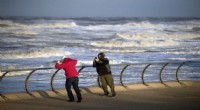
* Water erosion: River canyons, beach erosion, landslides
* Ice erosion: Glacial valleys, U-shaped valleys
* Gravity erosion: Rockfalls, landslides
Factors that influence erosion:
* Climate: Dry climates are more prone to wind erosion, while wet climates are more prone to water erosion.
* Topography: Steep slopes are more susceptible to erosion than flat land.
* Vegetation: Plants help to hold soil in place, reducing erosion.
* Human activities: Deforestation, construction, and agriculture can all accelerate erosion.
In short, erosion is a continuous process that shapes the Earth's surface. It's a natural process, but human activities can have a significant impact on its rate and effects.