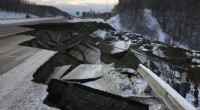
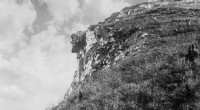
Weathering:
* Salt Weathering: The constant spray of salt water and the presence of salt crystals in the air can cause physical weathering, breaking down rocks and minerals. This is evident in the presence of fractured rocks, pitted surfaces, and crumbly textures on exposed rock formations.
* Biological Weathering: Organisms like lichens, mosses, and even burrowing animals contribute to weathering. Lichens can break down rock surfaces, while burrowing animals can create tunnels and loosen sediment.
* Thermal Weathering: The drastic temperature changes between day and night can lead to expansion and contraction of rocks, causing them to fracture.
Erosion:
* Wave Erosion: The constant crashing of waves against the shoreline is the primary driver of erosion in coastal areas. You'll see evidence of this in the form of cliffs being undercut, beaches being reshaped, and sand dunes being eroded.
* Wind Erosion: Strong winds can pick up sand and carry it inland, creating sand dunes, beach cusps, and other wind-blown features. Look for ripples, striations, and deposits of wind-blown sand in sheltered areas.
* Tidal Erosion: The rise and fall of tides also contribute to erosion, especially in areas with strong currents. Erosion channels, tidal flats, and changes in beach profiles are signs of tidal erosion.
Deposition:
* Sand Deposition: Waves and currents carry sediment along the coastline, eventually depositing it in areas where the energy decreases. This is evident in the formation of beaches, sandbars, and spits.
* Dune Formation: Wind-blown sand accumulates in sheltered areas, forming sand dunes of varying sizes and shapes.
* Salt Marsh Deposition: As rivers and streams flow into the ocean, they deposit sediment in protected areas, leading to the formation of salt marshes with their characteristic vegetation.
Other evidence:
* Fossil Evidence: Coastal sand plains may hold fossils of marine organisms, indicating past periods of sea level change and deposition.
* Landforms: Coastal sand plains are characterized by distinct landforms such as beaches, sand dunes, spits, barrier islands, and coastal lagoons. These features are all products of weathering, erosion, and deposition.
To find evidence of these processes, you can:
* Observe the coastline: Look for features like cliffs, beaches, sand dunes, and tidal flats.
* Examine rocks and sediment: Notice any signs of weathering, erosion, or deposition on rocks, sand, and shells.
* Study maps and aerial photographs: These can provide a broader perspective on the coastal landscape and its features.
Remember, coastal sand plains are constantly changing, so evidence of these processes may be subtle or difficult to see at times.