The Potwar Plateau and Balochistan Plateau, while both located in Pakistan, differ significantly in terms of their relief and drainage features, impacting their overall landscape and environment.
Potwar Plateau:
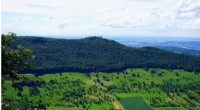
* Relief: The Potwar Plateau is characterized by a relatively flat and gently rolling topography, with average elevations ranging from 300 to 900 meters. It's dominated by low hills and rolling plains formed by the deposition of alluvial sediments from the Indus River system.
* Drainage: The Potwar Plateau is a well-drained region, dissected by numerous rivers and tributaries of the Indus River system, including the Jhelum, Chenab, and Ravi rivers. The extensive network of rivers contributes to its fertile soil and agricultural potential.
Balochistan Plateau:
* Relief: The Balochistan Plateau, on the other hand, features a highly rugged and mountainous terrain. It is dominated by steep hills, deep valleys, and towering mountains like the Kirthar Range and the Sulaiman Mountains. Elevations range from a few hundred meters to over 3,000 meters, with significant elevation changes.
* Drainage: Balochistan Plateau is relatively dry and arid, with limited drainage due to its mountainous nature. The sparse network of rivers mostly originates from the mountains and flow towards the Arabian Sea. Some major rivers include the Dasht River, the Hingol River, and the Porali River, but they often dry up during the drier months.
Comparison Table:
| Feature | Potwar Plateau | Balochistan Plateau |
|--------------|---------------|--------------------|
| Relief | Flat, rolling plains, low hills | Rugged, mountainous terrain, steep hills, valleys |
| Drainage | Well-drained, extensive river network | Sparse drainage, arid, limited rivers |
| Elevation | 300-900 meters | Few hundred meters to over 3,000 meters |
Key Differences:
* Relief: Potwar Plateau is relatively flat and less mountainous compared to the rugged and mountainous Balochistan Plateau.
* Drainage: The Potwar Plateau has a well-developed river network, leading to fertile land suitable for agriculture, while the Balochistan Plateau is drier and has a limited drainage network.
Impact on Environment:
The differing relief and drainage features of the two plateaus have significant implications for their environments:
* Potwar Plateau: The flat and well-drained land is ideal for agriculture, making it a major food-producing region in Pakistan. The fertile soils and abundant water resources support diverse flora and fauna.
* Balochistan Plateau: The rugged terrain and limited drainage contribute to its arid and semi-arid climate. The plateau supports a unique ecosystem adapted to the dry conditions, including desert vegetation and wildlife like the Balochistan Urial and the Marbled Cat.
In conclusion, the contrasting relief and drainage patterns of the Potwar and Balochistan plateaus create distinct landscapes and environments, impacting their agricultural potential, biodiversity, and overall ecological character.