What is the Asthenosphere?
* It's a layer within the Earth's upper mantle, situated below the lithosphere (the rigid outer layer that includes the crust).
* It extends from about 100 km to 700 km deep.
Why "Plastic-Like"?
* High Temperatures and Pressure: The asthenosphere is hot (around 1,300°C) and under immense pressure from the weight of the overlying layers.
* Partial Melting: While not fully melted, a small percentage of rock material in the asthenosphere is molten.
* Ductile Behavior: This combination of heat and pressure allows the asthenosphere to behave like a very viscous fluid over long periods. It can deform and flow slowly, much like hot asphalt.
Importance of the Asthenosphere:
* Plate Tectonics: The asthenosphere is the layer upon which the tectonic plates of the Earth's lithosphere "float" and move. The slow flow of the asthenosphere drives plate tectonics.
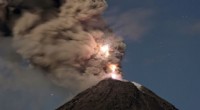
* Volcanic Activity: Molten rock from the asthenosphere can rise through the lithosphere, leading to volcanic eruptions.
* Isostasy: The asthenosphere helps maintain isostasy, the balance of the Earth's crust and mantle, ensuring that mountains rise and valleys sink to an equilibrium.
Key Points to Remember:
* The asthenosphere is not completely molten; it's a partially molten, ductile layer.
* Its "plastic-like" behavior is due to the extreme heat and pressure.
* It plays a crucial role in plate tectonics and other geological processes.
Let me know if you have any more questions!