1. Earthquakes:
* Plate Boundaries: The majority of earthquakes occur at plate boundaries where plates interact.
* Convergent Boundaries: Plates collide, causing one to subduct (slide) beneath the other. This generates friction and stress, leading to earthquakes.
* Transform Boundaries: Plates slide past each other horizontally. This movement can cause powerful earthquakes, like those along the San Andreas Fault in California.
* Intraplate Earthquakes: While rarer, earthquakes can also occur within plates, usually far from active boundaries. These are often less frequent and less powerful.
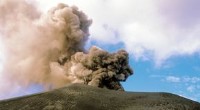
2. Volcanoes:
* Subduction Zones: When oceanic plates subduct beneath continental or other oceanic plates, the melting of the subducting plate creates magma. This magma rises to the surface, erupting as volcanoes.
* Mid-Ocean Ridges: Divergent plate boundaries, where plates move apart, allow magma to rise and create new ocean floor. This process often leads to underwater volcanic eruptions and the formation of volcanic islands.
* Hotspots: These are areas of volcanic activity caused by plumes of abnormally hot mantle rising through the crust. They can occur in the middle of plates, creating chains of volcanic islands like Hawaii.
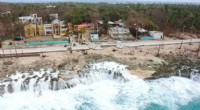
3. Tsunamis:
* Underwater Earthquakes: Large earthquakes occurring on the ocean floor can displace massive amounts of water, generating powerful waves that can travel across vast distances, ultimately causing devastation along coastlines.
* Volcanic Eruptions: Underwater volcanic eruptions can also displace water and trigger tsunamis, although this is less common than earthquake-induced tsunamis.
4. Landslides:
* Earthquakes: Seismic shaking can trigger landslides, particularly in areas with unstable slopes.
* Volcanoes: Volcanic eruptions can cause landslides through ash flows and debris avalanches.
5. Mountain Formation:
* Convergent Boundaries: The collision of plates can create mountain ranges, like the Himalayas, where tectonic forces cause the land to buckle and uplift.
Understanding the Link:
Knowing the relationship between plate tectonics and natural hazards allows us to:
* Identify High-Risk Areas: By mapping plate boundaries and areas of volcanic activity, we can identify regions more prone to earthquakes, volcanic eruptions, and tsunamis.
* Develop Warning Systems: This knowledge helps create early warning systems for earthquakes, volcanic eruptions, and tsunamis, potentially saving lives.
* Plan for Mitigation: Understanding the hazards associated with plate tectonics allows us to develop effective mitigation strategies, such as building codes that minimize earthquake damage and evacuation plans for volcanic eruptions.
In conclusion, plate tectonics plays a crucial role in the occurrence and distribution of many natural hazards. By understanding this relationship, we can better prepare for and mitigate the risks associated with these phenomena.