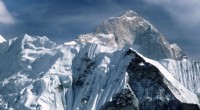
1. Weathered Rock: This is the primary component, consisting of broken-down pieces of the original rock. The process of weathering breaks the rock into smaller and smaller pieces, creating the foundation of the soil.
2. Organic Matter: While initially very limited, the soil will start to accumulate small amounts of organic matter. This comes from:
* Pioneer Plants: Simple, hardy plants like lichens and mosses are among the first to colonize bare rock. They help break down the rock further and contribute organic material when they die and decompose.
* Decomposed Organisms: Any insects, small animals, or microorganisms that are able to survive in this harsh environment also contribute organic matter when they decompose.
3. Minerals: The weathering process releases minerals from the rock. These minerals are essential for plant growth and provide the soil with its initial nutrient content.
4. Air and Water: The spaces between the rock fragments will contain air and water. These are crucial for the survival of early colonizers and for further weathering and soil development.
Important Note: This initial soil is very thin and lacks a developed structure. It is considered immature and will take a long time to develop into a rich and fertile soil. The process of soil formation is incredibly slow and can take thousands of years.