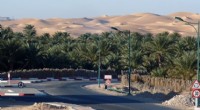
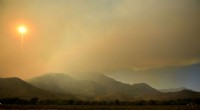
* Erosion: Wind, rain, rivers, glaciers, and even the simple freeze-thaw cycle of water break down rock and wear away at mountains. This process is continuous and relentless.
* Uplift: Mountains are formed by the collision of tectonic plates. When these plates push against each other, the land is forced upward, creating mountains. This upward movement can be very slow, but it's continuous.
* Balance: Erosion and uplift are in a constant state of balance. While erosion is slowly wearing away at mountains, tectonic forces are constantly pushing them back up.
Imagine it like this: Think of a cake being baked. The cake is constantly rising (like the mountain being uplifted) but the baker is also cutting off slices (like erosion). Even though slices are being cut off, the cake keeps rising, so it still appears to be getting bigger.
So, while mountains are constantly being eroded, they are also constantly being pushed up by tectonic forces. This ongoing battle between erosion and uplift is what keeps mountains standing tall for millions of years.
Here are some additional factors to consider:
* Different rates of erosion: Erosion happens at different rates in different locations. Mountains in arid climates, for example, erode more slowly than those in wet climates.
* Resistant rock: Some rocks are more resistant to erosion than others. Mountains made of granite, for example, can stand tall for millions of years, while mountains made of softer rock, like sandstone, erode much more quickly.
In short, mountains are a testament to the powerful forces at work within the Earth. Erosion and uplift are constant processes that keep mountains changing and evolving over time.