1. Tectonic Activity:
* Folding: When tectonic plates collide, the land can buckle and fold, creating mountain ranges. Over time, these folds can continue to shift and deform, changing the shape of the mountains.
* Faulting: Faults are breaks in the Earth's crust. When plates slide past each other, they can create cliffs and valleys, altering the mountain's profile.
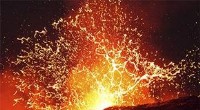
* Volcanism: Volcanoes are formed by molten rock (magma) rising from the Earth's interior. Eruptions can build up mountains over time, but they can also collapse or erode, changing their shape significantly.
2. Erosion:
* Weathering: Wind, rain, snow, ice, and temperature changes break down rock into smaller pieces. This weathering process can carve out valleys, canyons, and other features that change the mountain's shape.
* Glaciation: Glaciers are massive sheets of ice that can carve out valleys, create cirques (bowl-shaped depressions), and leave behind sharp peaks and ridges.
* Rivers: Rivers can erode mountainsides, creating canyons and gorges. They can also transport sediment downstream, depositing it to form alluvial fans at the base of the mountains.
3. Mass Movements:
* Landslides: Gravity can cause masses of rock and soil to move downhill, creating slopes and changing the mountain's shape.
* Rockfalls: Individual rocks can break off from cliffs and fall down, altering the mountain's profile.
4. Other Factors:
* Plant growth: Plant roots can break up rocks and contribute to erosion, subtly changing the shape of mountains over long periods.
* Human activity: Mining, deforestation, and road construction can all have an impact on mountain landscapes.
It's important to remember that mountain formation and change are ongoing processes. They occur over vast timescales, often taking millions of years. The shape of a mountain today is the result of a complex interplay of these factors.