1. Tectonic Forces:
* Convergent Plate Boundaries: This is the most common way mountains are formed. When two tectonic plates collide, the denser plate subducts (sinks) beneath the less dense plate. This process can create a variety of mountain types:
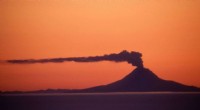
* Volcanic Mountains: As the subducting plate melts, magma rises and erupts, forming volcanoes. Examples include the Andes Mountains and the Cascade Range.
* Folded Mountains: The intense pressure from the collision can fold and buckle the Earth's crust, creating folded mountains. The Himalayas are a prime example.
* Fault-Block Mountains: The collision can also cause the crust to break and fracture, with blocks of rock being uplifted or downthrown along faults. The Sierra Nevada mountains are an example of fault-block mountains.
2. Other Forces:
* Erosion: While erosion is often associated with wearing down mountains, it can also play a role in their formation. Erosion can create mountains through differential weathering, where softer rocks are eroded more quickly than harder rocks, leaving behind resistant ridges and peaks.
* Igneous Intrusions: Large bodies of magma called batholiths can force their way into existing rock layers. As these batholiths cool and solidify, they can uplift the surrounding rock, creating mountain ranges.
* Impact Craters: Large asteroid or comet impacts can create mountains by forcing the Earth's crust upward.
In summary:
Tectonic forces, particularly convergent plate boundaries, are the primary drivers of mountain formation. However, other forces like erosion and igneous intrusions can also contribute to mountain building.