1. Sparse Vegetation:
* Limited plant cover: These regions often have sparse vegetation due to low rainfall, which leaves the soil exposed to the elements.
* Shallow root systems: Plants in arid environments often have shallow root systems, making them less effective at anchoring the soil.
2. Dry, Loose Soil:
* Lack of moisture: Dry soils have a lower cohesion, making them more susceptible to wind and water erosion.
* Low organic matter: The lack of vegetation and decomposition leads to a lower organic matter content in the soil, further reducing its stability.
3. Wind Erosion:
* High wind speeds: Arid regions are prone to high wind speeds, which can easily pick up and transport loose soil particles.
* Lack of windbreaks: Limited vegetation acts as natural windbreaks, exacerbating the effects of wind erosion.
4. Water Erosion:
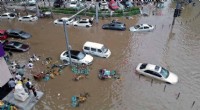
* Infrequent but intense rainfall: Although rainfall is infrequent, it can be intense in arid regions, leading to flash floods that have a high erosive power.
* Surface runoff: Dry, compacted soil makes it difficult for water to infiltrate, leading to increased surface runoff that carries away soil.
5. Human Activities:
* Overgrazing: Excessive grazing by livestock removes vegetation cover, leaving the soil exposed.
* Deforestation: Removing trees and shrubs reduces windbreaks and allows for greater soil erosion.
* Agricultural practices: Unsustainable agricultural practices like tilling can expose soil and increase its susceptibility to erosion.
Consequences of Erosion:
* Soil degradation: Erosion removes fertile topsoil, reducing soil fertility and agricultural productivity.
* Desertification: Prolonged erosion can lead to the spread of deserts, making the land unsuitable for agriculture or habitation.
* Water pollution: Eroded soil particles can pollute water bodies, harming aquatic life and reducing water quality.
Mitigation Measures:
* Sustainable land management practices: These include reducing grazing pressure, implementing conservation tillage, and planting windbreaks.
* Reforestation and afforestation: Planting trees and shrubs helps stabilize the soil and reduce erosion.
* Water conservation: Methods like rainwater harvesting and drip irrigation can reduce surface runoff and erosion.
Overall, the combination of sparse vegetation, dry soil, high winds, and human activities makes arid and semi-arid regions extremely vulnerable to erosion. Understanding the causes and consequences of erosion is crucial for implementing effective mitigation strategies to protect these fragile environments.