Here's a breakdown:
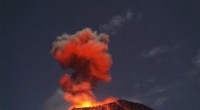
* Magma/Lava: This is the starting point. Magma is extremely hot, molten rock found beneath the Earth's surface. When it erupts onto the surface, it becomes lava.
* Cooling and Crystallization: As magma or lava cools, the minerals within it start to crystallize. These crystals can be large or small, depending on how quickly the molten rock cools.
* Mineral Composition: The exact minerals that form in an igneous rock depend on the chemical composition of the magma or lava. Common minerals in igneous rocks include:
* Feldspar: A group of minerals that are often light-colored and abundant in igneous rocks.
* Quartz: A very hard, glassy mineral that is often clear or white.
* Pyroxene: A group of dark-colored minerals that are common in mafic igneous rocks.
* Amphibole: Another group of dark-colored minerals that are also common in mafic igneous rocks.
* Olivine: A green mineral that is often found in ultramafic igneous rocks.
Types of Igneous Rocks:
There are two main types of igneous rocks, based on where they cool:
* Intrusive (Plutonic) Rocks: These form when magma cools slowly beneath the Earth's surface. The slow cooling allows for large crystals to form, resulting in rocks like granite.
* Extrusive (Volcanic) Rocks: These form when lava cools quickly on the Earth's surface. The rapid cooling results in small crystals or even glassy textures, like in basalt.
In short, igneous rocks are essentially the solidified and crystallized remnants of molten rock from deep within the Earth.