1. Contact Metamorphism:
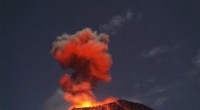
* Intrusion of Magma: Hot spot volcanoes often erupt magma onto the surface or intrude into the surrounding rock layers. This magma, much hotter than the surrounding rocks, will bake and alter the surrounding rock, changing its texture and mineral composition. This process is called contact metamorphism and can create metamorphic rocks like hornfels.
2. Regional Metamorphism:
* Pressure and Temperature: Hot spots can also cause regional metamorphism. The rising magma from a hot spot plume can heat the surrounding rocks over a large area, leading to increased temperature and pressure. This can change the mineral composition and texture of the rocks over a wide region.
3. Hydrothermal Metamorphism:
* Hot Springs and Geysers: Hot spots are associated with geothermal activity, including hot springs and geysers. The hot water circulating through these systems can react with existing rocks, changing their chemical composition and creating new minerals. This is called hydrothermal metamorphism.
4. Faulting and Folding:
* Tectonic Activity: The presence of a hot spot can cause uplift and tectonic activity, leading to faulting and folding of rocks. These processes can create the necessary pressure and heat to trigger metamorphic transformations.
Overall: Hot spots can contribute to metamorphic rock formation by providing the heat, pressure, and fluids necessary for metamorphic processes. However, it's important to remember that metamorphism is primarily driven by tectonic plate movement, and hot spots play a more supporting role in the process.