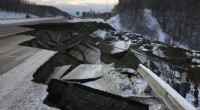
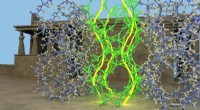
* Seismic Waves: Earthquakes generate seismic waves that travel through the Earth. These waves can be amplified or dampened depending on the materials they encounter.
* Loose Sediments: Loose sediments are less rigid than solid rock. When seismic waves pass through them, they cause the sediment particles to vibrate more intensely, increasing the shaking. This is similar to how a drum amplifies sound waves.
* Solid Rock: Solid rock is more rigid and can transmit seismic waves more efficiently, but it generally doesn't amplify them as much as loose sediment.
Here are some examples:
* Areas near bodies of water: Coastal areas with loose sand and silt often experience stronger shaking during earthquakes than areas with bedrock.
* Areas with filled land: Land that has been filled with loose material, like landfill, can also amplify earthquake shaking.
Note: The intensity of earthquake shaking is also affected by other factors, including:
* Magnitude of the earthquake: Larger earthquakes generate stronger seismic waves.
* Distance from the epicenter: Shaking intensity decreases with distance from the earthquake's origin.
* Geological structure: Faults and other geological features can influence the path of seismic waves.
It's important to remember that even areas with solid rock can experience significant shaking during large earthquakes.