1. Crystal Healing and "Energetic Properties":
* Misrepresentation: Assigning mystical properties to crystals based on their mineral composition or origin.
* Real Geology: Geology studies the physical properties, formation, and composition of rocks and minerals. Some minerals have unique properties that are scientifically understood (e.g., piezoelectric effect in quartz), but these are not linked to spiritual or healing powers.
2. Earth Flat-Earthers:
* Misrepresentation: Rejecting the scientific evidence for a spherical Earth and proposing alternative, often nonsensical explanations based on misinterpretations of everyday observations.
* Real Geology: Geology provides overwhelming evidence of Earth's shape and structure through observations of geological formations, gravity measurements, satellite imagery, and astronomical data.
3. Ancient Alien Theories:
* Misrepresentation: Attributing ancient structures or artifacts to extraterrestrial civilizations, often without proper archaeological evidence or scientific explanation.
* Real Geology: Geology helps understand the formation of geological features like rock formations and landscapes, which can be shaped by natural processes over millions of years. Ancient structures are often explained by human ingenuity and ingenuity within their historical contexts.
4. "New Age" Geomancy and Dowsing:
* Misrepresentation: Claiming to detect underground water, energy fields, or buried objects using dowsing rods or other mystical methods.
* Real Geology: Geology uses scientific methods to understand geological processes and interpret rock formations, which can be used to find water sources or predict geological hazards.
5. Misinterpreting Geological Events for Apocalyptic Prophecies:
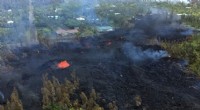
* Misrepresentation: Linking natural events like earthquakes, volcanic eruptions, or asteroid impacts to apocalyptic prophecies or predictions of the end of the world.
* Real Geology: Geology helps understand the causes and effects of these events, which are natural processes that occur over geological timescales.
Key Takeaways:
* Pseudoscience often uses misleading terminology and misinterprets scientific concepts to appear credible.
* Genuine geology is based on empirical evidence, scientific methods, and peer-reviewed research.
* It is important to distinguish between scientifically valid geological knowledge and pseudoscientific claims.
Remember, always critically evaluate information and consult credible sources like peer-reviewed scientific journals and reputable scientific organizations for accurate information about geology.