By volume:
* Water: This is the biggest erosive force globally. Rivers, rain, waves, and glaciers all contribute to significant erosion, moving vast amounts of sediment.
By geographic impact:
* Water: Again, water, especially rivers, has the most impact. They carve out valleys, canyons, and deltas, shaping landscapes.
By speed:
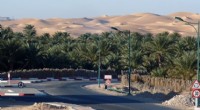
* Wind: Wind erosion can be incredibly rapid in deserts and other arid regions, removing topsoil and creating dust storms.
By human impact:
* Human Activities: Deforestation, agriculture, mining, and urbanization are major contributors to accelerated erosion. These activities disrupt natural vegetation cover, expose soil to wind and water, and change natural drainage patterns.
Here's a breakdown:
* Water: Rain, rivers, waves, and glaciers are the most significant agents of erosion. They wear down rock, transport sediment, and shape landforms over time.
* Wind: Wind erosion is prominent in arid and semi-arid regions, carrying away loose soil and creating dust storms.
* Ice: Glaciers carve out valleys, transport rocks, and reshape landscapes. Their erosive power is evident in glacial valleys and fjords.
* Gravity: Gravity plays a role in mass wasting, including landslides and rockfalls, which can cause significant erosion.
* Living Organisms: Plants, animals, and microorganisms contribute to bioerosion, breaking down rocks and soil through physical and chemical processes.
Ultimately, the "most" erosive force depends on your definition of "most" and the specific location on Earth. It's a complex process with multiple contributing factors.