1. Composition:
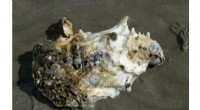
* Predominantly composed of peridotite, a dense rock rich in olivine and pyroxene minerals.
* It also contains small amounts of other minerals like garnet, spinel, and amphibole.
2. Structure:
* Lithosphere: The rigid, outermost layer of the Earth, composed of the crust and the uppermost part of the mantle. It is relatively cold and strong.
* Asthenosphere: A partially molten, weak layer beneath the lithosphere. It behaves like a very viscous fluid and allows the tectonic plates to move.
3. Seismic Wave Behavior:
* Low-Velocity Zone (LVZ): A region within the asthenosphere where seismic waves slow down significantly. This is due to the partial melting of the rock.
* Moho Discontinuity: A boundary separating the crust from the mantle, marked by a sudden increase in seismic wave velocity.
4. Role in Plate Tectonics:
* The asthenosphere allows the tectonic plates to move on top of it.
* The upper mantle is where magma is generated, which rises to the surface and erupts as volcanoes.
* Convection currents within the mantle drive the movement of tectonic plates.
5. Special Features:
* Diamonds: Some parts of the upper mantle are known to contain diamonds.
* Mantle Plumes: Hot, buoyant plumes of rock rising from deep within the mantle, often associated with volcanic activity.
In summary, the upper mantle is a dynamic and important layer of the Earth, playing a crucial role in plate tectonics, volcanism, and the formation of various geological features.