Plate tectonics is the unifying theory that explains the large-scale movements of Earth's lithosphere (the rigid outer layer that includes the crust and uppermost mantle). It describes how these plates interact at their boundaries, leading to a range of geological phenomena like volcanoes, earthquakes, mountain formation, and continental drift.
Here are the key elements of the theory:
1. Earth's Structure:
* Lithosphere: The rigid outer layer of Earth, broken into large plates.
* Asthenosphere: A partially molten layer beneath the lithosphere, allowing for plate movement.
* Mantle convection: Heat from Earth's core creates convection currents in the mantle, driving plate movement.
2. Plate Movement:
* Continental drift: Proposed by Alfred Wegener, describes the slow movement of continents over millions of years.
* Seafloor spreading: New oceanic crust is created at mid-ocean ridges, pushing existing crust away from the ridge.
* Subduction: When denser oceanic plates collide with continental plates, they are forced under the continental plate, leading to volcanic activity and earthquakes.
3. Plate Boundaries:
* Divergent boundaries: Plates move apart, creating new crust.
* Convergent boundaries: Plates collide, leading to subduction, mountain formation, and earthquakes.
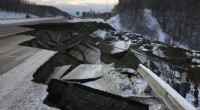
* Transform boundaries: Plates slide past each other, resulting in earthquakes.
4. Evidence Supporting Plate Tectonics:
* Fossil distribution: Similar fossils found on different continents suggest they were once connected.
* Seafloor spreading: Magnetic striping on the ocean floor provides evidence for new crust formation.
* Earthquake and volcano distribution: Aligned along plate boundaries, indicating tectonic activity.
* Geodetic measurements: Precise measurements show that continents are constantly moving.
5. Implications of Plate Tectonics:
* Earth's surface constantly changes: Continents move, oceans open and close, and mountains rise and erode.
* Formation of natural resources: Plate tectonics creates conditions for the formation of minerals, oil, and gas.
* Understanding geological hazards: Plate tectonics helps predict earthquakes, volcanic eruptions, and tsunamis.
In conclusion, plate tectonics is a revolutionary theory that provides a comprehensive understanding of Earth's dynamic processes. Its implications are far-reaching, influencing our knowledge of the planet's history, its present state, and its future evolution.