1. Earth's Crust: Our planet's surface is made up of large, moving pieces called tectonic plates. These plates float on a layer of molten rock called the mantle.
2. Plate Collisions: Over millions of years, these plates constantly move and collide. This collision is the main force behind mountain formation.
3. Different Types of Collisions:
* Continental-Continental Collision: When two continental plates collide, the immense pressure forces the land upwards, creating towering mountain ranges. Think of the Himalayas formed by the collision of the Indian and Eurasian plates.
* Oceanic-Continental Collision: When an oceanic plate collides with a continental plate, the denser oceanic plate subducts (sinks) beneath the continental plate. This process can create volcanoes and mountain ranges along the continental edge. The Andes Mountains are an example.
4. Folding and Faulting: As plates collide, the rock layers get squeezed and deformed. This can lead to:
* Folding: Rock layers bend and buckle to form hills and mountains.
* Faulting: Rock layers break and shift, creating steep cliffs and valleys.
5. Erosion and Weathering: While mountains are formed by geological forces, they are also shaped by erosion and weathering over time. Rain, wind, ice, and other natural forces wear down the peaks, creating valleys and canyons.
Other Factors:
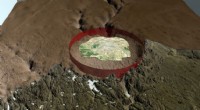
* Volcanoes: Some mountains are formed by volcanic activity, where molten rock erupts onto the surface and builds up over time.
* Uplifts: Sometimes, areas of the Earth's crust are pushed upwards without any direct collisions. These areas can form plateaus or isolated mountains.
So, in essence, mountains are the result of a dynamic interplay between tectonic plate movements, folding, faulting, erosion, and volcanic activity. It's a long and complex process that has shaped the Earth's landscapes over millions of years.