1. Groundwater Resources:
* Aquifer Types: The type of aquifer (unconfined, confined, fractured) directly impacts well construction and water extraction methods. Unconfined aquifers allow for easier well drilling, while confined aquifers require more complex techniques. Fractured aquifers might need horizontal drilling or hydraulic fracturing to maximize water yield.
* Aquifer Properties: Permeable rock formations like sand and gravel provide good water storage and transmission, suitable for traditional well systems. Less permeable formations like clay or dense rock might require deeper wells, groundwater recharge techniques, or alternative sources like surface water.
* Groundwater Quality: Geological formations influence the chemical composition of groundwater. Certain rocks can contribute to high mineral content, salinity, or contamination. This necessitates treatment technologies like filtration, softening, or desalination.
2. Surface Water Resources:
* River and Lake Geology: River channels and lake beds are shaped by geological processes. The geology of the surrounding area can affect water quality (sedimentation, erosion, pollutants) and influence dam and reservoir construction.
* Water Flow and Storage: Geological features like topography, soil type, and rock formations influence the flow and storage of surface water. This impacts the design and location of water infrastructure like dams, canals, and pumping stations.
3. Water Treatment:
* Geological Contamination: Certain geological formations can contribute to contamination of water sources. Natural occurrences of arsenic, fluoride, or other contaminants necessitate specific treatment technologies.
* Erosion and Sedimentation: Geological processes like erosion and sedimentation can impact water quality. Treatment technologies like filtration and sedimentation tanks are crucial for removing suspended particles.
Examples:
* Karst regions: Characterized by limestone formations, these areas have intricate underground drainage systems. Water supply relies on cave systems and springs, necessitating careful management to prevent contamination.
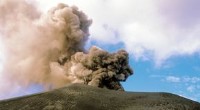
* Volcanic areas: Volcanic rocks can contain high concentrations of dissolved minerals, requiring specialized treatment for safe drinking water.
* Areas with high seismic activity: Water infrastructure design needs to be resilient to earthquakes, considering potential damage to pipes, wells, and dams.
In conclusion, understanding the geological context of a region is essential for selecting appropriate water supply technologies. Geological knowledge informs decisions about:
* Water source selection: Groundwater versus surface water
* Water extraction methods: Well drilling, pumping, surface water diversion
* Infrastructure design: Dam construction, pipe networks, well placement
* Water treatment requirements: Filtration, desalination, mineral removal
By integrating geological information into water resource management, we can ensure sustainable and safe water supplies for present and future generations.