Here's a breakdown of each season:
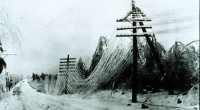
* Winter (November to May): This is the longest and harshest season. Temperatures plummet well below freezing, often reaching -40°C (-40°F) or lower. The landscape is blanketed in snow and ice, and the days are short with limited sunlight. The landscape is predominantly white, with the occasional rocky outcrop.
* Spring (May to June): Spring brings gradual warming, but temperatures remain below freezing for much of the season. The snow begins to melt, revealing the frozen ground beneath. The landscape transitions from white to a mix of grey, brown, and green as vegetation starts to emerge.
* Summer (June to August): This is the shortest season, with temperatures rising above freezing, though rarely exceeding 10°C (50°F). The landscape is covered in a vibrant green tundra with wildflowers blooming. The days are long, with almost 24 hours of daylight. This is the best time for wildlife viewing as many species are active and breeding.
* Autumn (August to November): Autumn marks a return to colder temperatures, and the tundra vegetation turns a beautiful array of yellow, orange, and red before turning brown and dying back. The days become shorter, and snow begins to fall, signaling the approach of winter.
Key Points:
* Extreme Conditions: The Innuitian Mountains experience harsh, extreme weather conditions, especially during winter.
* Short Growing Season: The short summer season limits the plant life that can survive in the region.
* Ice and Snow Dominance: Much of the year, the landscape is covered in ice and snow, influencing the overall environment and ecosystem.
Remember, the specific timing and intensity of each season can vary depending on location within the Innuitian Mountains.