1. Water Erosion: This is the most common type and includes:
* Sheet Erosion: A thin layer of soil is removed uniformly across the landscape, like a sheet of paper being peeled away.
* Rill Erosion: Tiny channels or rills form on the surface as water flows and carries away soil.
* Gully Erosion: Larger, more defined channels form, often caused by concentrated water flow.
* Coastal Erosion: Waves and currents wear away shorelines.
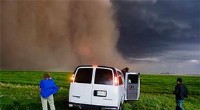
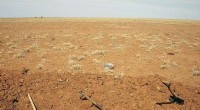
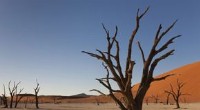
2. Wind Erosion: This primarily affects dry, arid regions and involves wind picking up and transporting soil particles.
* Saltation: Larger particles bounce and skip across the ground.
* Suspension: Fine particles are carried aloft in the wind.
* Surface Creep: Larger particles are rolled or pushed along the surface.
3. Glacial Erosion: The movement of massive ice sheets carves and sculpts the landscape.
* Plucking: Frozen water in cracks breaks off pieces of bedrock.
* Abrasion: Rocks and sediment embedded in the ice grind against the bedrock, smoothing and polishing the surface.
4. Mass Wasting: This involves the downhill movement of rock, soil, and other materials due to gravity.
* Creep: Slow, gradual movement of soil and rock.
* Slumps: Downward movement of soil and rock along a curved surface.
* Flows: Rapid movement of material saturated with water (e.g., mudflows, debris flows).
* Rockfalls: Sudden and rapid detachment of rocks from a cliff face.
Note: These categories often overlap and interact. For example, wind erosion can exacerbate the effects of water erosion.
Let me know if you want to explore any of these categories in more detail!